By: Avi Puri and Amit Puri .
4/6/19

Just a little over 17 years ago, Enron declared Bankruptcy. The once billion dollar energy company became worth nothing at all. This came as a shocker to myself and millions around the world. At their peak, shares were selling at $90.75 a pop, and on December 2, 2001, they were going at $0.26. This drop off in stock price doesn’t just happen out of nowhere. Bad business practices and poor ethics lead to this downfall. Many are to blame to blame for this catastrophe which resulted in millions losing a lot of money.
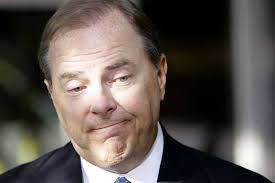
There are many “players” involved in the downfall of Enron, such as the founder and primary CEO Kenneth Lay and Ex CFO Andrew Fastow, but the most notable in my opinion is Ex CEO Jeffery Skilling who was appointed by Lay. Perhaps the worst idea Skilling had was to move Enron from a traditional accounting method to a method known as Mark-to-Market accounting. This is a method in which a company accounts for profits that have not yet been earned. The idea was Skilling’s, but the credit for the method’s long term success and ultimate demise at Enron goes to CFO Andrew Fastow.
How did CFO, Andrew Fastow, hide the piling up debt?
Fastow and several others at Enron used Special Purpose Entities or Off-balance sheet Special Purpose Vehicles to hide the company’s loads of debt and other tragic accounting realities. A SPE or an SPV is an entity created to fulfill narrow goals.
A transaction using this practice dealt with transferring rapidly rising stock to the Special Purpose Vehicle and investing in company assets. This is dangerous because Special Purpose Vehicles were only capitalized by stock, and if prices fell it would be detrimental. Eventually their stock prices fell causing all else to tumble around it.

One of the biggest factors leading to Enron’s downfall was that not one person can be held responsible. Enron was a big company with many superiors. This scheme took many minds, and many are to share the blame including Enron’s accounting firm Arthur Anderson LLP and partner David Duncan who oversaw all of Enron’s accounting.
Arthur Anderson LLP signed off on Enrons accounts for years despite bad business practices. Enron was so arrogant and foolish, they felt like they could throw money around and keep everyone quiet. Well, they did. Even Arthur Anderson LLP, an extremely reputable accounting firm signed off or bad accounts. Analysts began to see what was really going on with Enron.
What Roll Did the Banks Play?
Several banks helped disguise Enron’s piling debt. An article I recently read by The Baltimore Sun mentioned that banks such as JP Morgan Chase & Co and Citigroup Inc gave Enron 8.5 billion dollars of financing over 9 years with knowledge that Enron was using deception and poor accounting principles. Several banks helped Enron hide their debt in return for money and favors.
The fact that banks aided Enron is embarrassing! The banks are to be trusted by the people. Millions of Americans put their money in the banks, the stock market, and more. Enron did whatever Enron wanted, and the banks acted in their own interest. This was insulting, embarrassing, and a huge disappointment for many around the world.
Going Bankrupt
Enron filed for chapter 11 bankruptcy on December 2, 2001. Days before, their bonds had been downgraded to junk, and many shares were unable to be sold off. Enron’s $63.4 billion in assets made this the largest company to ever go bankrupt at the time.
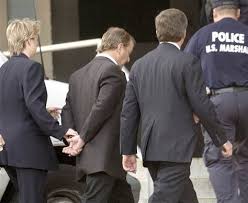
Enron founder, Kenneth Lay, and former CEO Jeffrey Skilling both entered pleas of not guilty. Both are accused of lying about the financials (unreported debt and inflated profits) of the company before it ultimately crumbled and went bankrupt. Lay is facing 7 criminal charges while Skilling is facing 35. Former Enron chief accounting officer Richard Causey pleaded guilty to 1 count of securities fraud. WOW!
The Enron Traders
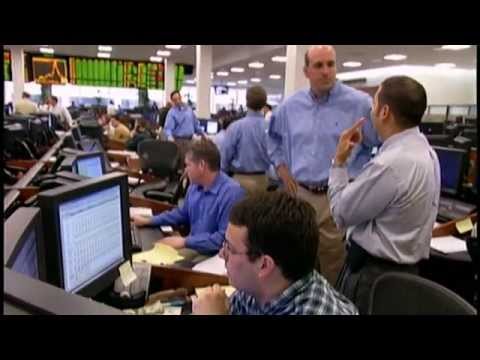
There are many conflicting opinions on the Traders that were at Enron before the company collapsed. The Enron company Traders firmly believe that they are pioneers in the industry. On the other hand, many people obviously have their doubts. John D Arnold, one of the best Traders at the company, made a reported $750 million in profits for the Enron company. Many people believe that this is fabricated and came as a result of the sick practices that Enron used. The Traders were getting some heat and I believe it was justified. They should have stepped up and said something if they noticed unethical business practices.
Enron’s Shady Accounting
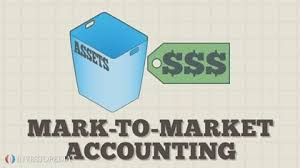
Early in the business process, CEO Jeff Skilling made a huge move from a common historical cost accounting method to a mark-to-market (MTM) accounting system. This allowed Enron to begin estimated profits as real ones in their books. This led to serious problems with the financials and they essentially did not have the money they were saying they did. In my opinion, this SEC approved switch over to MTM accounting is what planted the seed for the scandal that was to come.
Enron and Sarbanes-Oxley Act
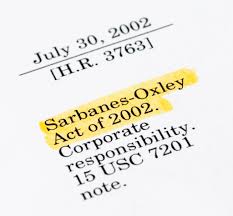
If the Sarbanes-Oxley Act was passed before 2001, the Enron scandal could have been avoided. The Sarbanes-Oxley Act is intended to help investors see financial statements more easily and accurately, as well as do many other important things. The act was able to close accounting loopholes, strengthen whistleblower protections, strengthen corporate governance rules, and much more. In my opinion, if the whistleblower protection laws were in place at the time of the Enron scandal, it is very likely someone would have come forward and the scandal could have been stopped. Now that the Sarbanes-Oxley Act is in place we can move into a more open, trusting business world.
Federal Government and Enron
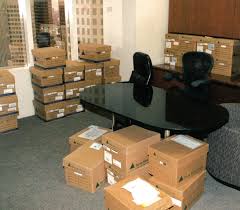
Several years before the Enron bankruptcy, the federal government began deregulating the oil and gas industry to allow for more competition. Little did they know, deregulation led to many more fraudulent practices. Once the FBI was made aware of the situation, they seized over 3,000 boxes of evidence, conducted over 1,800 interviews, and obtained over 4 tera-bytes of digitized data. More than $164 million was seized. The federal government has convicted 22 people for crimes in the Enron scandal and has given over $90 million in compensatory benefits to the victims.

 The Scoop with Avi Puri